

Tig welding
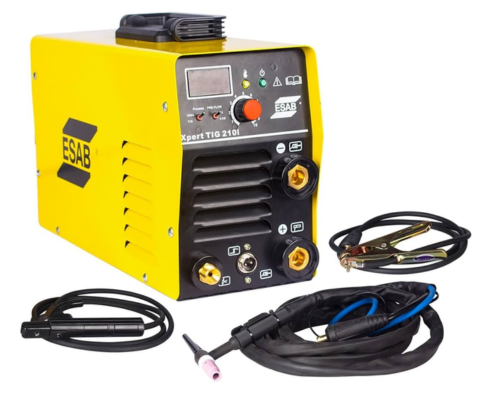
At the heart of TIG welding is a non-consumable tungsten electrode, which is used to create an arc between the electrode and the metal workpiece. The tungsten electrode is chosen because of its high melting point (approximately 3,422°C or 6,192°F), ensuring it doesn't melt during the welding process. The heat from the arc melts the base metal, creating a molten weld pool. A filler material, usually in the form of a rod, can be added manually to the weld pool to strengthen the joint, although TIG welding can also be performed without filler metal, in a process called autogenous welding.
One of the key aspects of TIG welding is the use of an inert shielding gas, typically argon or a mixture of argon and helium. This gas flows from the torch around the tungsten electrode and over the weld area, protecting the molten metal from atmospheric contaminants such as oxygen, nitrogen, and hydrogen. This shield is critical because exposure to the atmosphere can lead to oxidation, porosity, and other defects in the weld.
Applications of TIG Welding
Given its advantages, TIG welding is used in a variety of industries where precision, strength, and appearance are crucial. Aerospace: In the aerospace industry, where the integrity of welds is critical, TIG welding is commonly used for assembling aircraft components, including fuselage sections, engine parts, and intricate structural elements. Automotive: TIG welding is also widely used in the automotive industry, particularly for tasks that require precision and strength, such as the fabrication of exhaust systems, frames, and bodywork. Manufacturing and Repair: Beyond aerospace and automotive, TIG welding is employed in a range of manufacturing and repair applications, from constructing custom metalwork to repairing damaged components in machinery.