

Mig welding
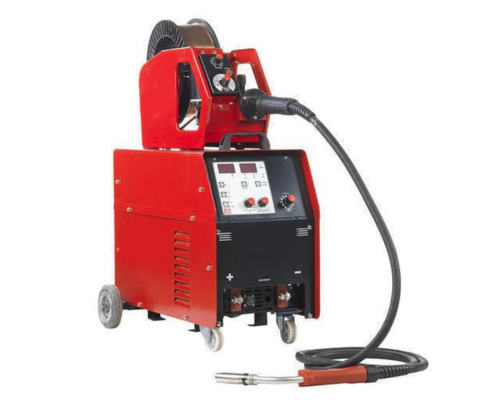
MIG welding operates by creating an electric arc between a consumable wire electrode and the workpiece. The heat generated by this arc melts both the wire and the base material, forming a weld pool. As the wire is continuously fed into the weld pool, it solidifies and creates a strong bond between the two pieces of metal. The process is shielded by a gas, typically argon, carbon dioxide, or a mixture of both, which protects the weld from contaminants in the air.
Advantages of MIG Welding
Ease of Use: One of the most significant advantages of MIG welding is its user-friendly nature. It is relatively easy to learn, making it an excellent choice for beginners. The continuous wire feed allows for a more consistent weld, reducing the chances of errors. Speed: MIG welding is a fast welding process. The continuous feed of the wire allows for quicker welds compared to other methods like TIG (Tungsten Inert Gas) welding. This speed makes it ideal for large projects where time efficiency is crucial. Versatility: MIG welding is versatile and can be used on various metals, including steel, stainless steel, and aluminum. This adaptability makes it a go-to method for many industries that work with different materials. Clean Welds: The use of shielding gas in MIG welding helps produce clean welds with minimal spatter. This results in less post-weld cleanup, saving time and effort.